Recognizing mold in air ducts symptoms early can protect your family’s health and save you thousands in repairs. If you notice musty smells, unexplained allergies, or dark spots near vents, your HVAC system may be harboring a hidden mold problem that spreads spores through every room.
Mold thrives in the dark, humid environment inside your air ducts, and once it takes hold, it circulates microscopic spores throughout your home every time the system runs. Many homeowners in Northern California overlook the early signs until the problem becomes severe. This guide breaks down the key symptoms, health effects, and what to do next.
Common Mold in Air Ducts Symptoms
Mold contamination in your ductwork rarely stays hidden for long. Your body and your home will send signals long before you can see the growth. Watch for these telltale indicators.
1. Persistent Musty or Moldy Odor
The most obvious sign is a stale, earthy, or musty smell that grows stronger when the heating or air conditioning turns on. If the odor fades when the system is off and returns when air starts flowing, mold in the ducts is a likely culprit. Some people describe it as a wet-sock or dirty-basement smell.
2. Visible Mold Around Vents and Registers
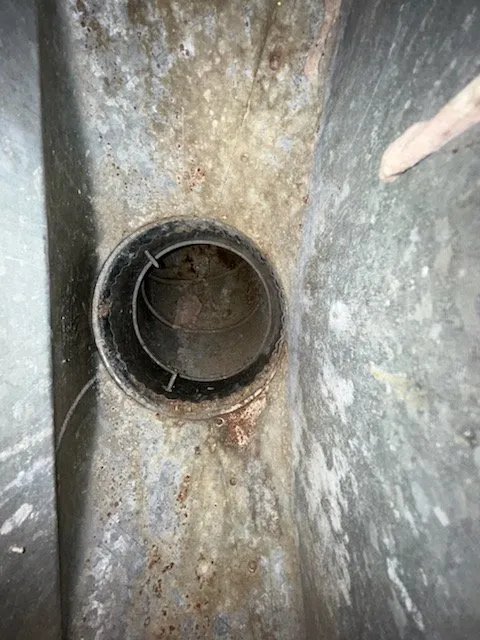
Check the supply and return vents throughout your home. Black, green, or white fuzzy patches on or near the register covers often indicate that mold is growing deeper inside the duct system. Even small spots warrant a closer inspection, since visible growth usually represents only a fraction of the contamination.
3. Worsening Allergy Symptoms Indoors
If your allergies flare up at home but ease when you leave, your air quality may be the problem. Common reactions include:
- Sneezing and a runny or stuffy nose
- Itchy, watery, or red eyes
- Nasal congestion and postnasal drip
- Skin irritation or rashes
These symptoms often intensify shortly after the HVAC system kicks on.
4. Respiratory Issues and Coughing
Mold spores irritate the lungs and airways. Chronic coughing, wheezing, shortness of breath, or a scratchy throat that lingers can point to poor duct hygiene. People with asthma or existing respiratory conditions are especially vulnerable and may notice more frequent attacks.
5. Headaches and Fatigue
Ongoing exposure to airborne mold can trigger frequent headaches, dizziness, difficulty concentrating, and unexplained tiredness. If several household members experience these symptoms at the same time, contaminated ductwork should be on your list of suspects.
Additional Signs of Mold in Your HVAC System
Beyond the physical symptoms, your home itself can reveal a duct mold problem. Pay attention to these environmental clues.
6. Excess Humidity and Condensation
Mold needs moisture to grow. If you notice condensation on vents, damp spots near ducts, or generally high indoor humidity, conditions are ripe for mold. Air conditioning systems that produce a lot of moisture without proper drainage are especially prone.
7. Dust and Debris Buildup Around Vents
A sudden increase in dust settling around registers, or dark streaking on ceilings and walls near vents, can signal that your ducts are dirty and possibly moldy. Mold often binds with dust, making the buildup appear darker and greasier than normal household dust.
8. Symptoms That Improve Away From Home
One of the clearest patterns is symptom relief when you spend time outside your house or at work. If your congestion, coughing, or headaches disappear on vacation and return the moment you walk back through your door, your indoor air is the likely source.
Why Mold Grows in Air Ducts
Understanding the cause helps you prevent recurrence. Mold typically develops in ductwork because of:
- Moisture and humidity: Leaks, condensation, and high indoor humidity feed mold growth.
- Poor ventilation: Stagnant, damp air trapped inside ducts creates an ideal habitat.
- Temperature differences: Cold ducts meeting warm, humid air produce condensation.
- Accumulated dust and organic debris: Dust, pet dander, and pollen give mold a food source.
- Water damage: Past flooding or roof leaks can introduce moisture into the system.
Health Risks You Should Not Ignore
Prolonged exposure to mold spores can cause more than temporary discomfort. Sensitive individuals, including children, older adults, and those with weakened immune systems, may develop chronic respiratory issues, sinus infections, and worsening asthma. Certain molds can also produce mycotoxins that lead to more serious health complications over time. Because the spores travel through every room the ducts serve, no part of the home is truly unaffected.
What to Do If You Suspect Mold in Your Ducts
If you recognize several of these symptoms, take action promptly to protect your air quality and health.
- Inspect visible components: Remove a few vent covers and use a flashlight to look inside the ducts for discoloration or growth.
- Address moisture sources: Fix leaks, insulate ducts, and consider a dehumidifier to keep humidity below 50 percent.
- Replace or clean filters: Dirty filters allow mold and dust to spread. Change them regularly.
- Schedule professional duct cleaning: Certified technicians have the tools to safely remove mold and sanitize the entire system.
- Test the air if needed: Professional air quality testing can confirm the presence and type of mold.
Preventing Mold From Coming Back
Once your ducts are clean, keep them that way with a few simple habits. Control indoor humidity with proper ventilation and dehumidifiers, replace air filters on schedule, and have your HVAC system inspected annually. Seal any duct leaks and make sure your air conditioner drains correctly to avoid standing water. Routine maintenance is far cheaper than repeated remediation.
When to Call a Professional
Small, surface-level mold on a vent cover can sometimes be wiped clean, but widespread growth inside the ducts requires professional attention. Trying to clean deep contamination yourself can release more spores into the air and worsen the problem. A trained air duct specialist will contain the affected area, remove the mold safely, and sanitize the system to prevent regrowth.
If you are noticing mold in air ducts symptoms in your home, do not wait for the problem to grow. Clean, mold-free ductwork means healthier air, fewer allergy flare-ups, and a more efficient HVAC system. Reach out to a trusted local duct cleaning professional to inspect your system and restore the air quality your family deserves.